
In Montana, we know the importance of looking out for one another. Whether it’s checking on a neighbor after a storm, helping a friend move cattle, or bringing a meal to someone going through a hard time, community care is part of who we are.
One way we can care for one another is by creating safer homes.
When people hear the phrase “suicide prevention” or “overdose prevention,” they often think about counseling, treatment, or crisis services. Those resources are incredibly important. But there is another prevention strategy that is simple, practical, and effective: reducing access to potentially dangerous items during times of crisis.
During periods of intense stress, emotional pain, substance use, or mental health challenges, people may act quickly or make decisions they would not otherwise make. Creating time and distance between a person and a potentially lethal item can help prevent tragedy and allow time for support, recovery, and healing.
Just like wearing a seatbelt or installing a smoke detector, household safety is one way we can reduce risk and protect the people we care about.
What Does Household Safety Look Like?
Household safety isn’t about fear or taking away independence. It’s about making thoughtful choices that can help keep everyone safer, especially during difficult times.
Some examples include:
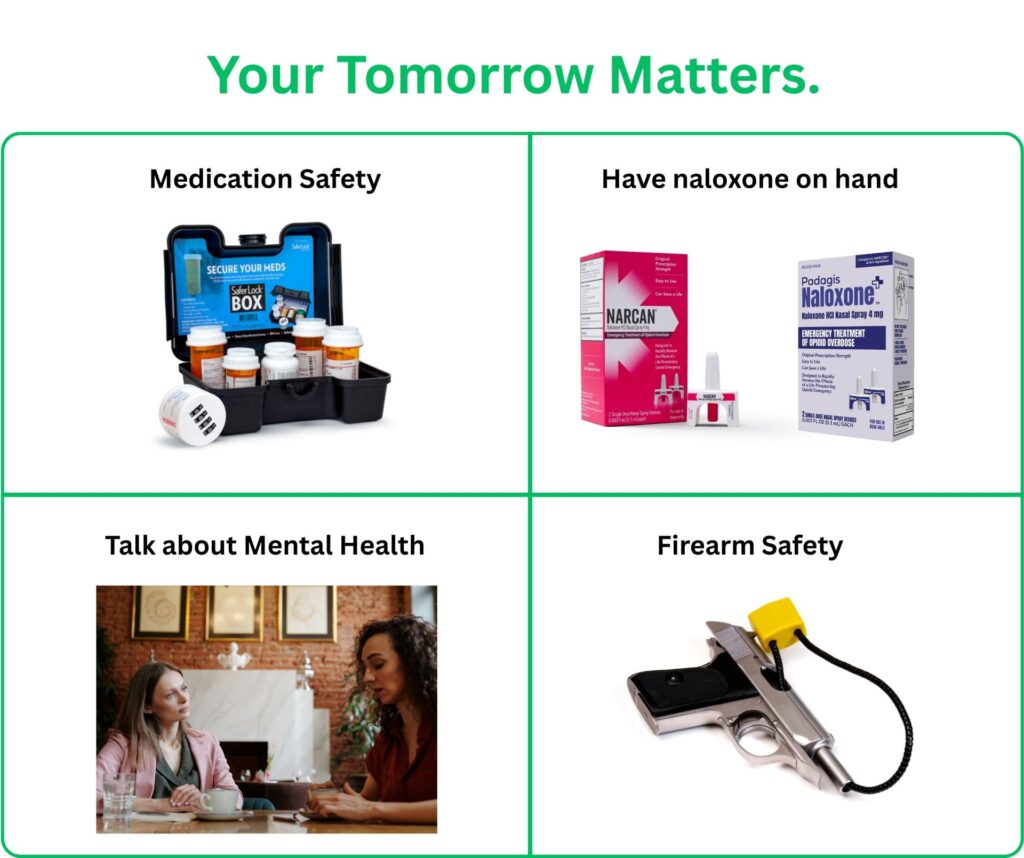
-Storing firearms unloaded and locked.
-Storing ammunition separately from firearms.
-Locking medications out of sight and out of reach.
-Properly disposing of unused or expired medications.
-Keeping naloxone (Narcan®) available and knowing how to use it.
-Checking in regularly with friends and family members who may be struggling.
These small actions can create valuable time for someone to connect with help and support.
Firearm safety: creating time and distance
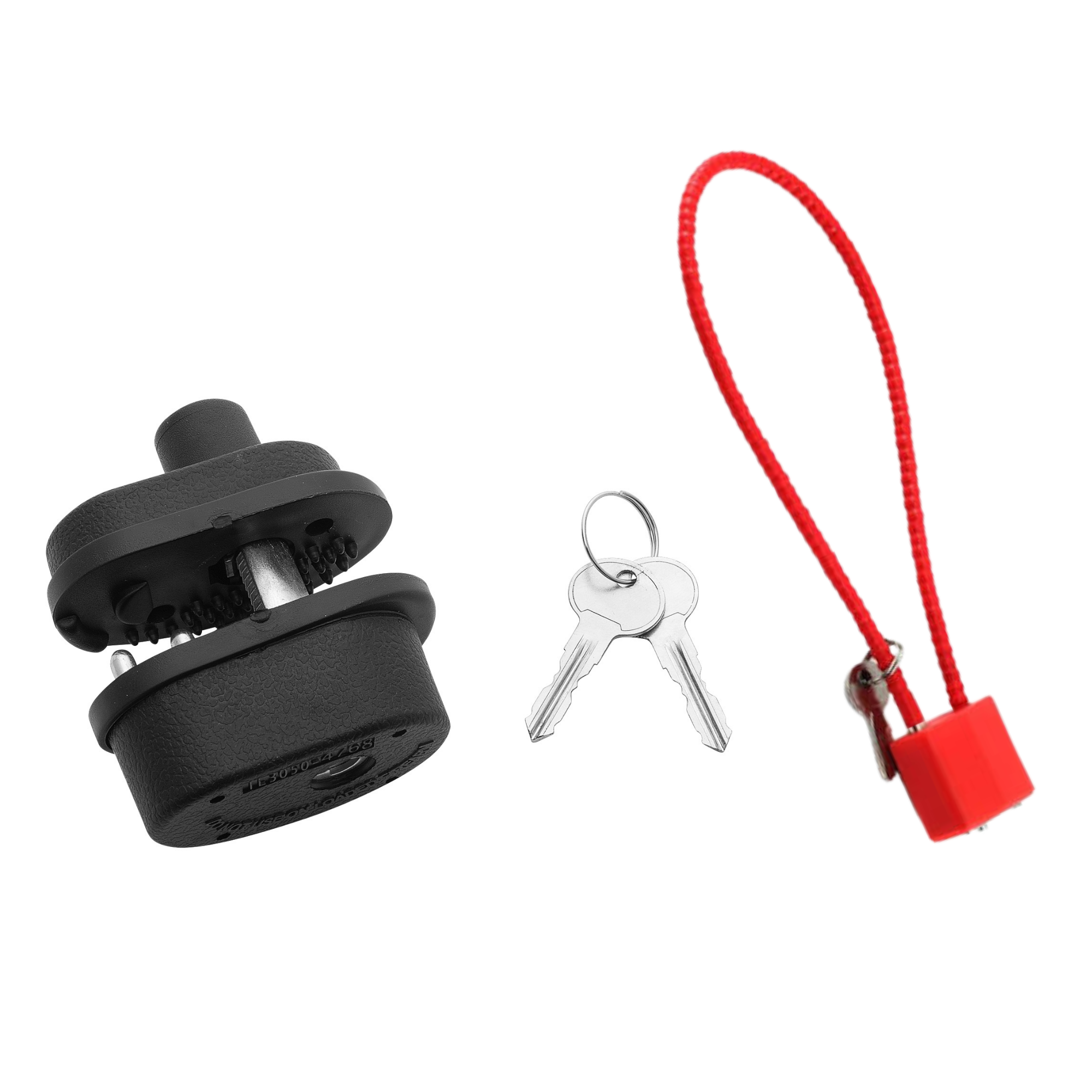
Many Montana households own firearms. Safe storage is an important part of responsible ownership.
Consider storing firearms:
1) Unloaded
2) Locked with a gun lock or in a gun safe
3) Separate from ammunition
During a mental health crisis, some families choose to temporarily remove firearms from the home or store them with a trusted person in a way that prevents access. Creating time and distance between a person in crisis and a lethal means can save a life. Gun locks are available for free at the Missoula Public Health Immunization Clinic or by request via projecttomorrowmt.org/give-us-a-minute-missoula/.
Medication Safety Matters
Many households contain medications that can be harmful if taken incorrectly, accidentally, or in large amounts.
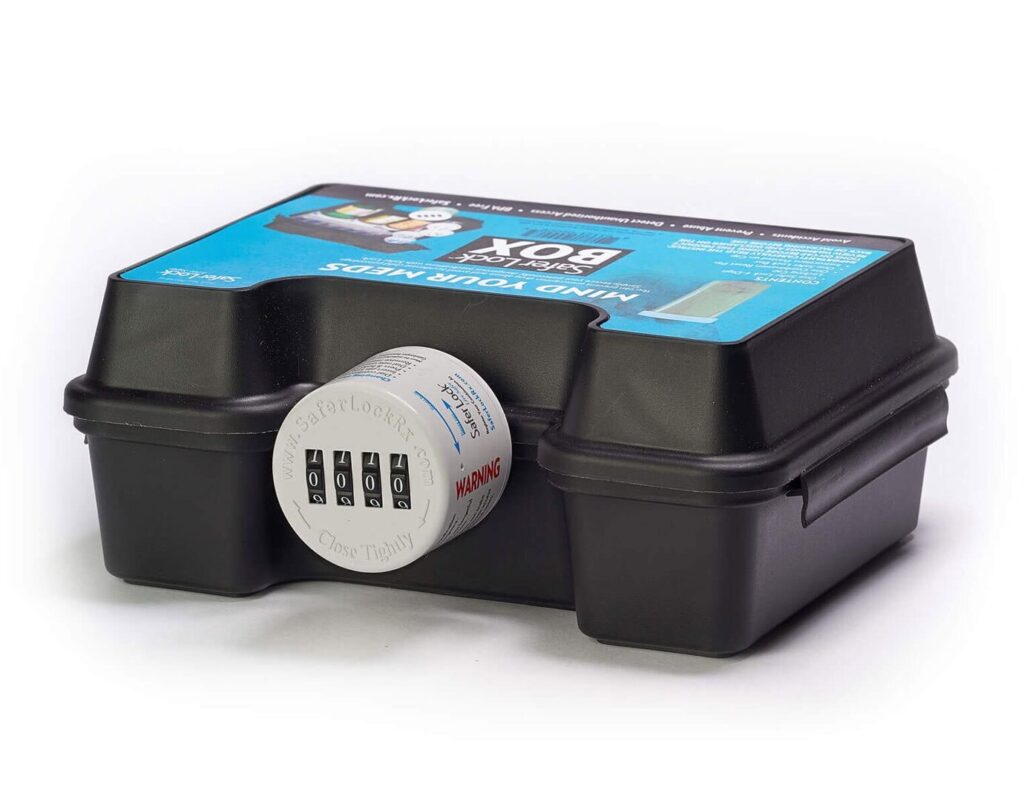
Safe medication practices include:
-Taking medications only as prescribed.
-Keeping medications locked or secured when possible.
-Asking a pharmacist about blister packaging.
-Safely disposing of unused medications through local disposal programs.
-Having conversations with family members about medication safety.
These practices can help prevent accidental poisonings, misuse, and overdose. Missoula Public Health has free medication lock boxes that can help with safe storage and medication disposal bags that can also be used at home. In addition, in Missoula County, medication disposal boxes are available in several locations (https://live.mph.missoula.co/people/mental-behavioral-health/medication-safety/).
Naloxone Saves Lives
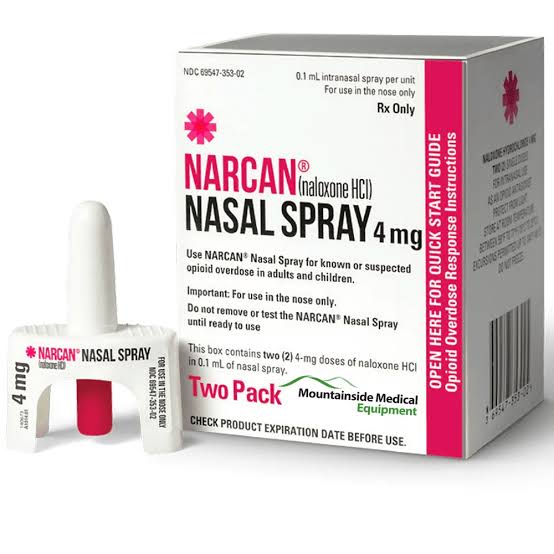
Naloxone (often known by the brand name Narcan®) is a medication that can temporarily reverse an opioid overdose. It is safe, easy to use, and works on fentanyl and other opioids.
Having naloxone available is similar to keeping a fire extinguisher or first aid kit nearby. You hope you never need it, but if an emergency happens, it can save a life.
In Missoula County, free naloxone is available from several community partners, including Missoula Public Health, Open Aid Alliance, Missoula Public Library, Western Montana LGBT+ Community Center, All Nations Health Center, and United Way’s Dose of Hope vending machines at the Mountain Line Transfer Center and Missoula Food Bank.
Fentanyl awareness
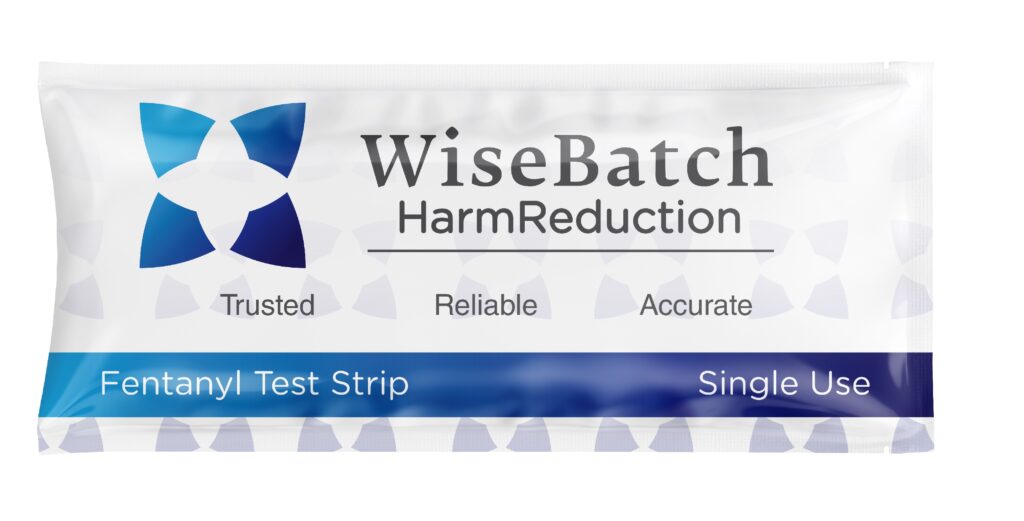
Fentanyl can be present in pills or powders without someone knowing. Even tiny amounts of fentanyl, comparable to just a few grains of sand, can be dangerous.
Fentanyl test strips are another overdose prevention tool that can help people check substances for fentanyl and reduce overdose risk. These can be found at Missoula Public Health, Open Aid Alliance, All Nations Health Center, and United Way’s Dose of Hope vending machines.
Talking About Mental Health
Sometimes the most important safety tool is conversation.
Checking in with a friend, family member, coworker, or neighbor can make a meaningful difference. Asking someone how they’re doing, listening without judgment, and helping them connect with support are simple acts of care that strengthen our communities.
It’s also important to remember that seeking help is a sign of strength. Mental health challenges, substance use concerns, and periods of crisis can affect anyone.
What You Can Do Today
Here are a few simple actions you can take this week:
-Review how firearms are stored in your home.
-Lock up medications and safely dispose of those you no longer need.
-Pick up naloxone and learn how to use it.
-Create or update a personal safety plan.
-Reach out to someone you haven’t heard from in a while.
-Learn about local mental health and substance use resources.
-Have a conversation with your family about household safety.
Small changes can have a big impact.
If You or Someone You Know Needs Help
If you or someone you know is thinking about suicide, call or text 988 to reach the Suicide & Crisis Lifeline. Trained counselors are available 24 hours a day, 7 days a week.
If someone is in immediate danger or experiencing a medical emergency, call 911.
No one has to face a crisis alone. Help is available, and recovery is possible.
Creating safer homes isn’t about eliminating risk completely. It’s about taking practical steps that give us and the people we care about more time, more support, and more opportunities for recovery.
Because every life matters.